
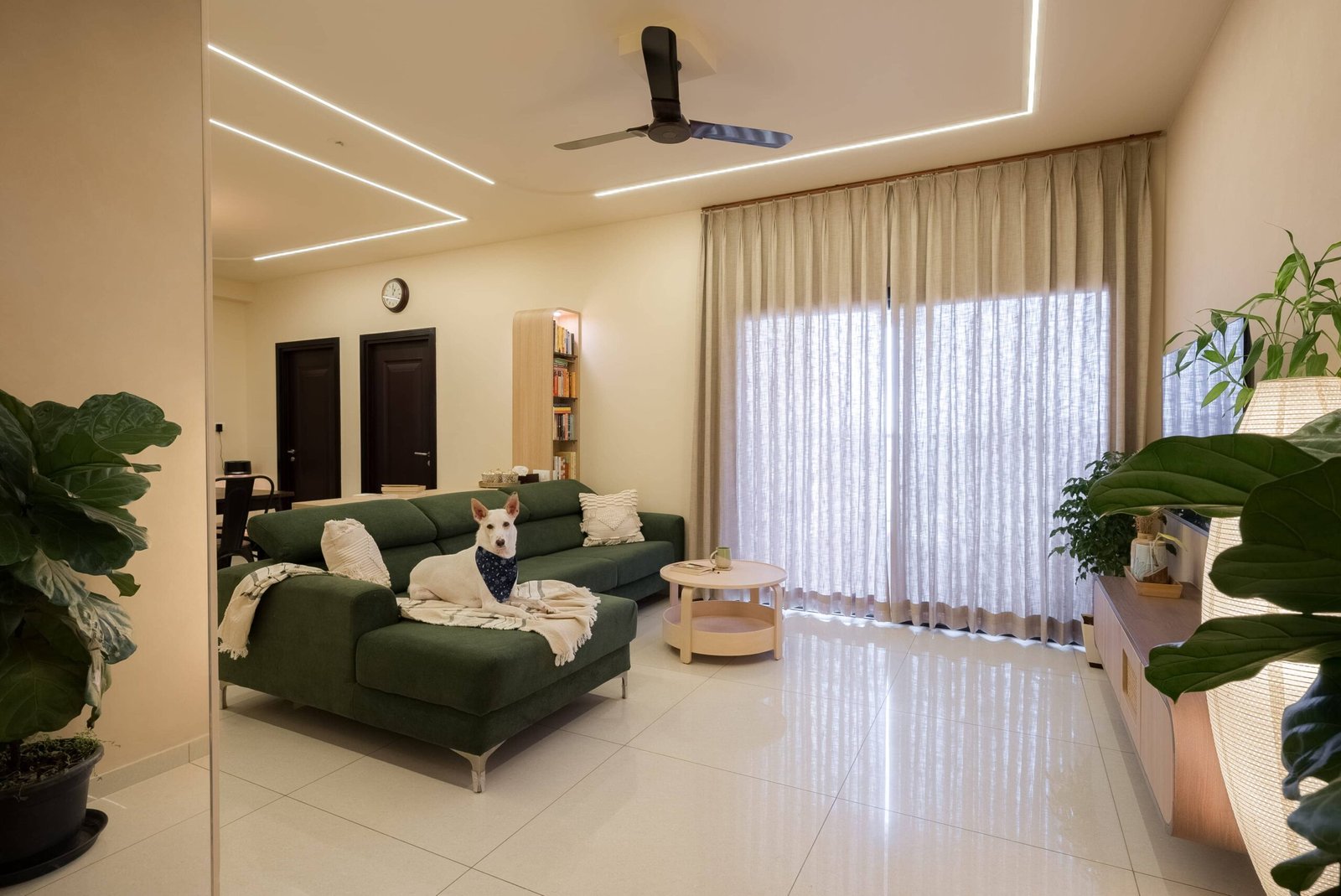
A home should offer more than shelter. It should provide comfort, express personality, accommodate everyday routines, and create an atmosphere that feels welcoming from the moment the door opens. In a rapidly developing residential destination such as Sarjapur, interior designers in sarjapur are helping homeowners transform contemporary properties into thoughtfully planned environments where style and functionality coexist.
Sarjapur’s residential landscape includes modern apartments, gated communities, villas, and independent houses. These properties vary considerably in scale and architectural character. Some demand clever solutions for compact layouts, while others offer generous spaces that invite more elaborate design concepts.
Successful interiors begin with understanding the household. The number of occupants, daily routines, storage requirements, work patterns, entertaining preferences, and aesthetic tastes all influence the final design. When these details are considered carefully, a residence becomes more than visually attractive. It becomes intuitive to live in.
Understanding the Importance of Spatial Planning
Good design starts with the layout. Before decorative elements are selected, the relationship between rooms, furniture, circulation paths, and functional zones needs to be established.
Living rooms should encourage conversation while preserving comfortable movement. Dining areas should connect naturally with kitchens and social spaces. Bedrooms require tranquillity, privacy, and sufficient storage. Home offices need ergonomic furniture and suitable lighting.
Modern homes often benefit from flexible planning. A spare room can function as both a guest bedroom and a workspace. A quiet corner can become a reading nook. An expansive living area can accommodate entertainment, relaxation, and social gatherings without feeling fragmented.
Thoughtful planning ensures that every part of the home contributes to daily comfort.
Making the Most of Available Space
Space optimisation is especially valuable in contemporary urban homes. Even a compact residence can feel surprisingly generous when its layout is carefully considered.
Vertical cabinetry can turn unused wall space into valuable storage. Built-in wardrobes can provide organisation without disrupting visual continuity, while multifunctional furniture can serve several purposes within the same footprint.
Sliding doors can reduce circulation requirements, and mirrors can create a stronger perception of depth. Open-plan spaces can be subtly divided using rugs, furniture orientation, lighting, or changes in material.
Larger homes require equally careful planning. Excessive empty space can make rooms feel disconnected, while undersized furniture can diminish their visual presence. Proportionate furnishings and well-defined zones can establish balance.
The goal is not simply to maximise space. It is to make space meaningful.
Establishing a Distinctive Design Style
A home’s visual identity should reflect the preferences of the people who live there. Some homeowners favour minimalism, while others prefer warm contemporary interiors, traditional influences, or eclectic compositions.
Colour establishes the initial atmosphere. Neutral tones can create serenity, earthy shades can introduce warmth, and deeper colours can add drama. Carefully selected accent hues can provide visual energy without overwhelming the composition.
Texture brings another level of sophistication. Natural timber, stone, glass, metal, linen, leather, cane, and woven materials can be combined to create tactile richness.
A smooth surface beside a textured material can create subtle contrast. Natural wood against refined stone can soften an otherwise contemporary setting. These relationships give an interior depth without requiring excessive ornamentation.
Using Lighting to Transform Interiors
Lighting is one of the most influential components of residential design. Natural daylight should be treated as an asset, while artificial illumination should respond to different activities.
Windows can maximise daylight, while curtains and blinds regulate privacy and glare. Mirrors and reflective surfaces can help distribute brightness through darker areas.
Artificial lighting should be layered. Ambient lighting provides overall illumination, task lighting supports specific activities, and accent lighting highlights artwork, architectural features, shelves, or decorative objects.
A pendant light can establish a focal point above a dining table. Concealed lighting can enhance cabinetry. Floor lamps can create intimate reading areas, while wall fixtures can provide gentle illumination in hallways and bedrooms.
With careful planning, a single room can possess several distinct atmospheres.
Designing Functional Kitchens
The kitchen has become an important social and functional hub within modern homes. It needs to support cooking, storage, dining, and often informal interaction.
Efficient layouts should establish logical relationships between preparation, cooking, cleaning, and storage areas. Appliances should be positioned for convenience, while frequently used items should remain accessible.
Custom cabinetry can conceal appliances and maximise storage. Durable countertops can withstand daily activity while contributing to the visual character of the room.
Lighting is equally important. Focused task lighting can illuminate preparation surfaces, while decorative fixtures can create a warmer atmosphere around breakfast counters or dining areas.
A well-designed kitchen should feel efficient without appearing clinical.
Creating Restful Bedrooms
Bedrooms should provide a sense of retreat from the activity of daily life. Colour, texture, lighting, acoustics, and furniture placement all influence this feeling.
Soft textiles and warm lighting can create an inviting atmosphere, while restrained colours help maintain visual calm. Custom wardrobes can maximise storage without overwhelming the room.
Small additions can also increase comfort. A window-side chair, compact reading corner, upholstered bench, or carefully positioned bedside lighting can introduce functionality without clutter.
The best bedroom designs feel serene rather than overly decorated.
Bringing Nature Into Sarjapur Homes
Biophilic design can introduce a welcome sense of tranquillity into urban residences. Plants, natural materials, daylight, and connections with outdoor spaces can make interiors feel fresher and more restorative.
Timber, stone, rattan, linen, cane, and terracotta can provide organic textures. Indoor plants can soften geometric forms and introduce natural colour.
Balconies and terraces can become extensions of the living environment through carefully selected plants, comfortable seating, and ambient lighting. Even a compact balcony can become a peaceful retreat.
These natural elements can complement contemporary architecture without compromising sophistication.
Integrating Smart Home Technology
Modern residential design increasingly incorporates technology for convenience and efficiency. Smart lighting, automated curtains, security systems, climate controls, and integrated entertainment can simplify everyday routines.
However, these systems should remain visually discreet. Wiring and equipment can be concealed within walls, ceilings, and custom cabinetry.
Smart lighting can provide different settings for work, relaxation, entertaining, or bedtime. Automated curtains can manage daylight and privacy. Integrated controls can reduce the need for multiple visible devices.
Technology becomes most effective when it supports the home quietly rather than becoming its dominant feature.
Personalising Every Space
A beautifully designed residence should still feel lived in. Personal objects provide the emotional layer that transforms a stylish property into a genuine home.
Artwork, family photographs, books, travel memories, heirlooms, and collections can all contribute to the interior narrative. A treasured painting can anchor a room, while an antique object can create contrast against contemporary furnishings.
Thoughtful curation is essential. Displaying fewer meaningful pieces often produces a stronger effect than filling every available surface.
Personalisation gives a home provenance. It makes the space recognisably yours.
Choosing Materials for Long-Term Appeal
A stylish interior should also be built for everyday life. Materials need to balance beauty, durability, maintenance, and long-term value.
Natural stone, quality timber, resilient flooring, durable upholstery, and reliable hardware can preserve the integrity of a home through years of use. Materials with subtle variations can also age gracefully, developing character rather than losing their appeal.
Sustainable choices can complement this philosophy. Locally sourced materials, artisanal craftsmanship, energy-efficient lighting, and durable furnishings can reduce unnecessary consumption while creating distinctive interiors.
Transforming Sarjapur Homes With Style
Interior design ultimately succeeds when aesthetics and functionality become inseparable. A home should look beautiful, but it should also make daily routines easier and more enjoyable.
Sarjapur’s evolving residential environment provides abundant opportunities for creative design. Contemporary architecture can be softened with natural materials, compact spaces can be made remarkably efficient, and larger residences can be given a sense of balance and warmth.
The finest interiors do not rely on decoration alone. They use proportion, lighting, materiality, technology, storage, and personal expression to create a cohesive experience.
When every room is designed with purpose, a residence becomes more than an attractive collection of spaces. It becomes a refined setting for family life, relaxation, work, celebrations, and quiet moments, transforming everyday living into something more comfortable, expressive, and enduring.


More Stories
Best Interior Designers in Bangalore: Creating Homes That Define You
How to Select Bedroom Furniture That Enhances Comfort and Style
The Silent Guardian: How Septic Pumping Protects Your Home and the Environment